
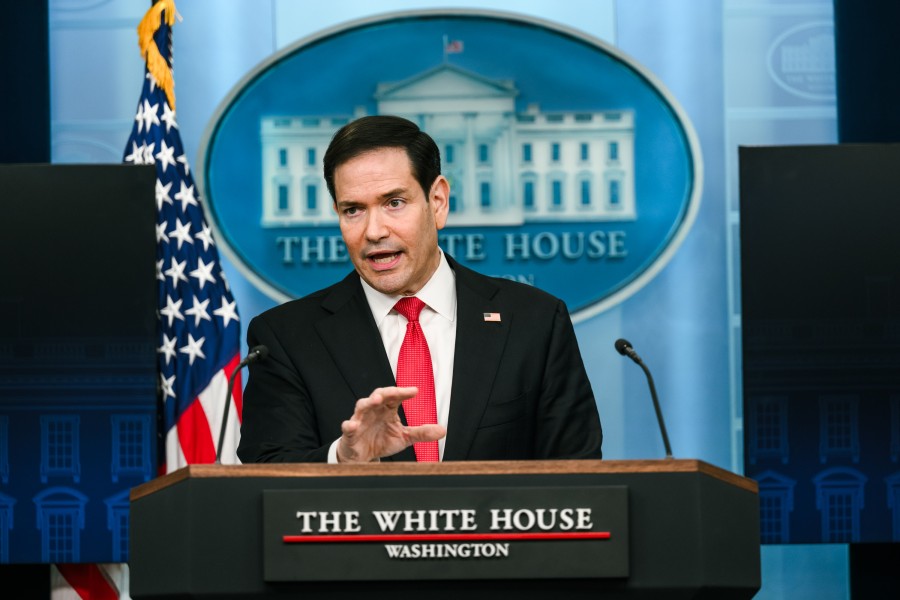
During his recent visit to the Gulf region, US Secretary of State Marco Rubio emphasized the United States’ commitment to ensuring the Strait of Hormuz remains open for international shipping. Rubio assured Gulf allies that no nation, including Iran, would be permitted to impose any tolls or fees on the crucial maritime passage. His remarks come amid efforts to bolster confidence among US allies following a ceasefire agreement between Washington and Tehran.
Rubio’s visit includes meetings with officials from the United Arab Emirates, Kuwait, and Bahrain, focusing on securing freedom of navigation through the Strait under international law. The waterway has become a focal point of concern for Gulf countries, which worry about Iran’s potential increased influence after gaining access to previously frozen assets. The ceasefire agreement currently allows for 60 days of unrestricted passage, with future maritime management discussions anticipated between Iran and regional states.
In addition to maritime security, Gulf nations are seeking assurances that any financial relief extended to Iran will not be used to enhance its military capabilities. However, Iran has steadfastly refused to include its ballistic missile program in any forthcoming negotiations, citing national defense necessities. This stance adds complexity to the ongoing discussions, as regional tensions persist over concerns such as nuclear monitoring, sanctions relief, and broader security frameworks.
Amid these challenges, Rubio reaffirmed the United States’ dedication to safeguarding its allies and promoting stability throughout the Gulf region. His statements underscore the strategic importance of the Strait of Hormuz and the need for collaborative efforts to address the multifaceted security issues in the area.