
Embracing healthy eating doesn’t necessarily mean splurging on pricey superfoods or adhering to complex diets. Often, the key to better nutrition lies in the everyday ingredients found in our kitchens. By selecting fresh and minimally processed options, we can enhance the nutritional value of our daily meals significantly.
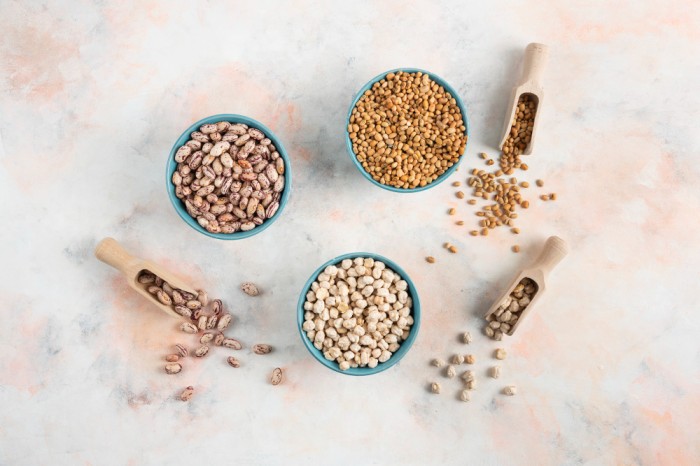
Pulses like dal, rajma, and chana are standout kitchen staples, offering a wealth of plant-based protein, fiber, and essential nutrients. Opting for less processed variants helps preserve their natural goodness, aiding digestion and promoting a sense of fullness, thus contributing to more balanced meals.
The choice of wheat flour, a common household staple, is equally important. Flour that undergoes minimal processing tends to retain more fiber and nutrients compared to its highly refined counterparts. Incorporating traditional wheat varieties can diversify meals while boosting their nutritional content.
Spices, integral to Indian cuisine, bring more than just flavor to the table; they carry traditional health benefits. Freshly ground spices such as turmeric, cumin, coriander, and black pepper offer enhanced taste, aroma, and freshness, standing out against older or heavily processed alternatives.
The quality of cooking oil is another critical consideration. Wood-pressed oils, extracted with minimal processing, are often favored for preserving natural flavors and characteristics. Using such oils in moderation can contribute to a balanced diet. Additionally, millets like sorghum, rich in fiber and nutrients, can be a versatile addition to various dishes, enhancing dietary balance and variety.