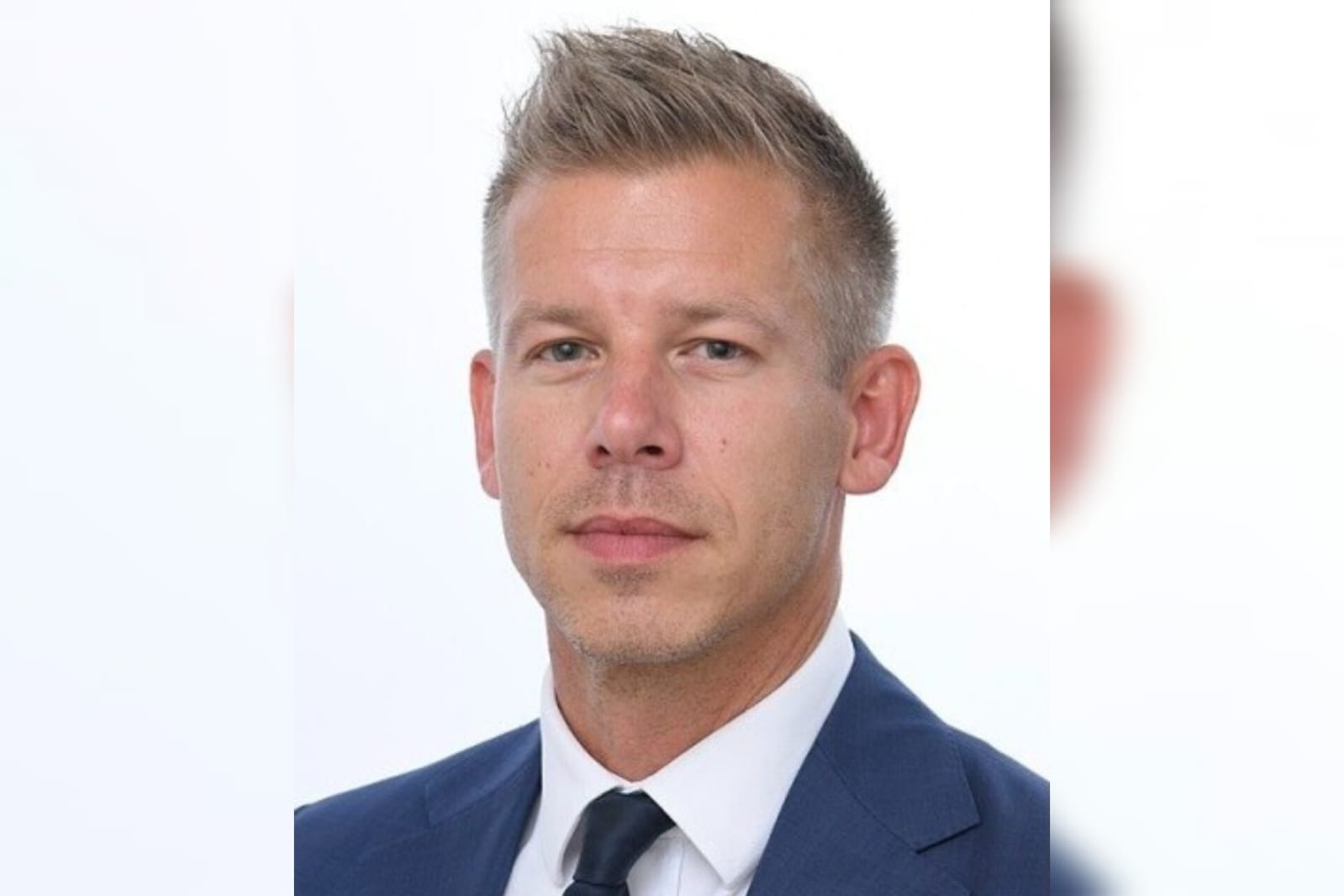
Péter Magyar, the newly elected leader of Hungary, is prioritizing a collaborative relationship with Poland’s Prime Minister, Donald Tusk, to leverage Poland’s recent success in mending ties with the European Union. Both Hungary and Poland have experienced similar political trajectories since 1989, and now the pro-European, center-right leaders are tasked with restoring democratic norms and strengthening state institutions following years of tension with the EU.
The two leaders communicated on election night, where a delighted Tusk, calling from Korea, expressed his joy to Magyar, saying, “I’m so happy. I think I am even happier than you, you know?” Tusk later remarked to reporters that the recent electoral changes in Warsaw, Bucharest, Chișinău, and Budapest indicate that Eastern Europe is not destined to remain under corrupt or authoritarian regimes. This sentiment reflects a broader hope for democratic renewal in the region.
Magyar, in a gesture of goodwill, announced his intention to forge a “special relationship” with Poland, signaling his first official visit will be to Warsaw. He also vowed to address the situation of two former Polish ministers, who are evading prosecution in Hungary, by ensuring their return to face justice. The ministers were part of the previous Polish government, led by the right-wing Law and Justice Party, which lost to Tusk’s Civic Coalition in 2023.
As Magyar prepares to assume office, the EU is keen on seeing Hungary drop its opposition to a €90 billion loan to Ukraine and agree to new sanctions against Russia. Informal discussions between EU officials and Magyar’s incoming administration have already begun. These early talks aim to ensure Hungary fulfills specific conditions relating to governance, judicial integrity, and anti-corruption measures by the end of August to unlock critical EU funds. This effort draws from Poland’s recent experience in reversing illiberal policies, which successfully reopened access to EU resources.
With a substantial parliamentary majority, Magyar is positioned to implement reforms more smoothly than Poland, where opposition vetoes previously complicated legislative changes. However, challenges remain, such as ensuring systemic reforms while dealing with entrenched figures from Viktor Orbán’s 16-year tenure. Magyar’s commitment to join the European Public Prosecutor’s Office and investigate past corruption marks a significant step in aligning Hungary more closely with EU standards. This initiative echoes Poland’s earlier actions upon their government transition, highlighting a shared commitment to restoring rule of law and accountability in the region.