
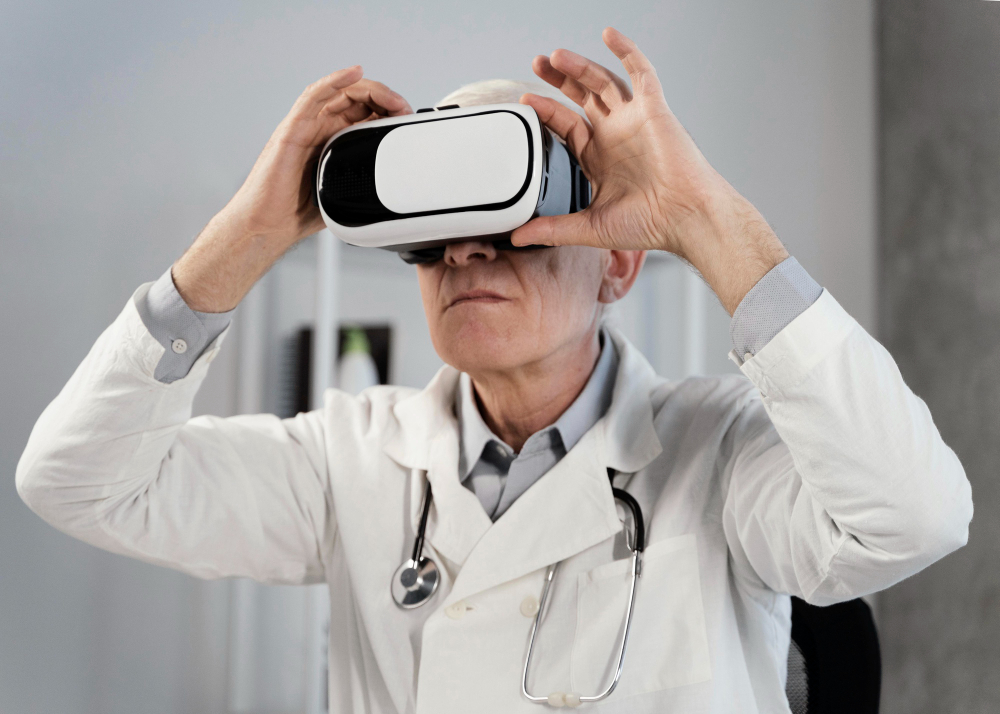
In a significant development for Alzheimer’s treatment, a recent Cochrane review has sparked intense debate over the efficacy and safety of amyloid-targeting drugs. The analysis, which is regarded as highly authoritative, concluded that these drugs offer only negligible clinical benefits while posing high costs and increased risks of severe side effects. Responding to these findings, the Czech company H2 Global Group has proposed an innovative approach using molecular hydrogen, presenting it to leaders of all 27 EU member states as a potential alternative.
On April 16, 2026, Cochrane released a systematic review of anti-amyloid monoclonal antibodies in patients with mild cognitive impairment and early-stage dementia due to Alzheimer’s. The review synthesized data from 17 clinical trials with over 20,000 participants, finding that the benefits of these drugs were minimal and not clinically significant. The study also pointed to an elevated risk of brain swelling and microhemorrhages among patients. Lead author Francesco Nonino from the IRCCS Institute of Neurological Sciences in Bologna emphasized the need for Alzheimer’s research to explore alternative treatment pathways.
Reactions to the review have been widespread among global media and experts, with major outlets like The Guardian and The New York Times highlighting the negligible impact of the drugs. Experts such as Professor Robert Howard from University College London and Professor Paresh Malhotra from Imperial College London stressed the need for research beyond the amyloid pathway, indicating that expectations have been set too high for patients’ families. The annual cost of these treatments, around €77,000 ($82,000 USD) per patient, has also led to reimbursement challenges in various European countries.
In light of these challenges, H2 Global Group has advanced a strategy involving molecular hydrogen therapy in combination with virtual reality (VR) cognitive rehabilitation. Presented on April 17, this approach, developed in collaboration with a VR company, is already certified as a medical device and implemented in over 40 European hospitals. PharmDr. Milan Krajíček, the company’s Chief Medical Officer, argues that focusing solely on beta-amyloid is insufficient, advocating instead for treatments targeting oxidative stress and neuroinflammation. The company’s patented method, based on research by Professor Shigeo Ohta, has shown promise in reducing oxidative stress and enhancing neuroprotection.
David Maršálek, CEO of H2 Global Group, believes that the Czech Republic has the opportunity to lead a transformative solution to the growing health and social challenges posed by an aging population and the dementia epidemic. With a foundation of strong Japanese-Czech technology, ongoing clinical trials, and the potential for broad EU collaboration, Maršálek envisions a groundbreaking study that could offer a safe and accessible solution for millions of patients. He emphasizes the urgency of immediate action to harness these innovations for widespread benefit.