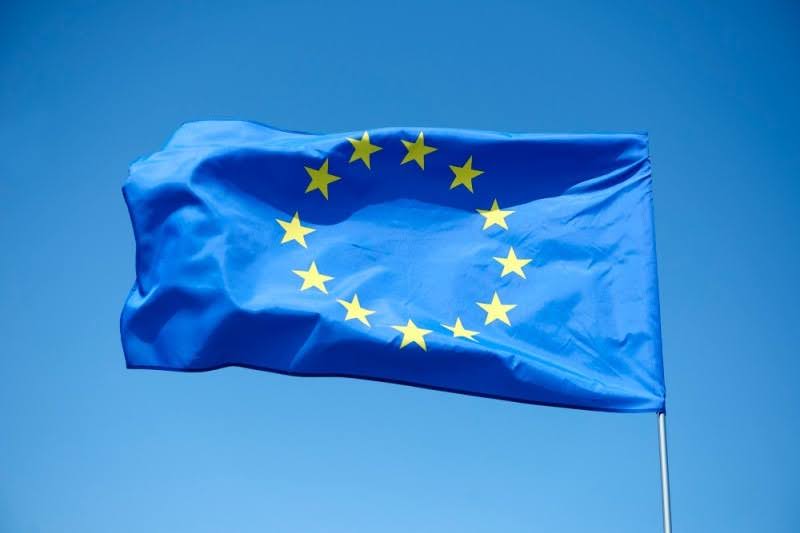
European Union leaders are advocating for a swifter and more credible enlargement process, emphasizing the need for the bloc to show both readiness and capability to welcome new members. During a summit held in Montenegro with leaders from six Western Balkan nations, German Chancellor Friedrich Merz underscored the EU’s responsibility to prove its ability to expand and its commitment to integrating the region. Merz pointed out that the EU has not admitted a new member in over a decade, signaling an urgent need for reform in how the accession process is handled.
Echoing this sentiment, European Commission President Ursula von der Leyen highlighted the necessity of making membership negotiations more effective and reliable for countries aspiring to join. The summit gathered EU leaders with representatives from Albania, Bosnia and Herzegovina, Kosovo, Montenegro, North Macedonia, and Serbia—all of which are in pursuit of EU membership. Montenegro is seen as the frontrunner among these candidates, aiming to join the EU by 2028.
French President Emmanuel Macron stressed that expanding the EU is strategically crucial for Europe, particularly in terms of security, energy independence, and managing migration. Macron also supported the idea of “gradual integration,” which would allow candidate countries to begin participating in certain EU institutions and initiatives prior to achieving full membership status.
The push for EU expansion has gained renewed urgency following Russia’s invasion of Ukraine, with both Ukraine and Moldova also seeking membership alongside the Western Balkan countries. Brussels views the enlargement as a critical measure to bolster stability and reduce external influences in the region. Despite increasing political backing, the accession process remains intricate, requiring significant reforms by candidate nations and unanimous consent from all 27 current member states at each stage.