
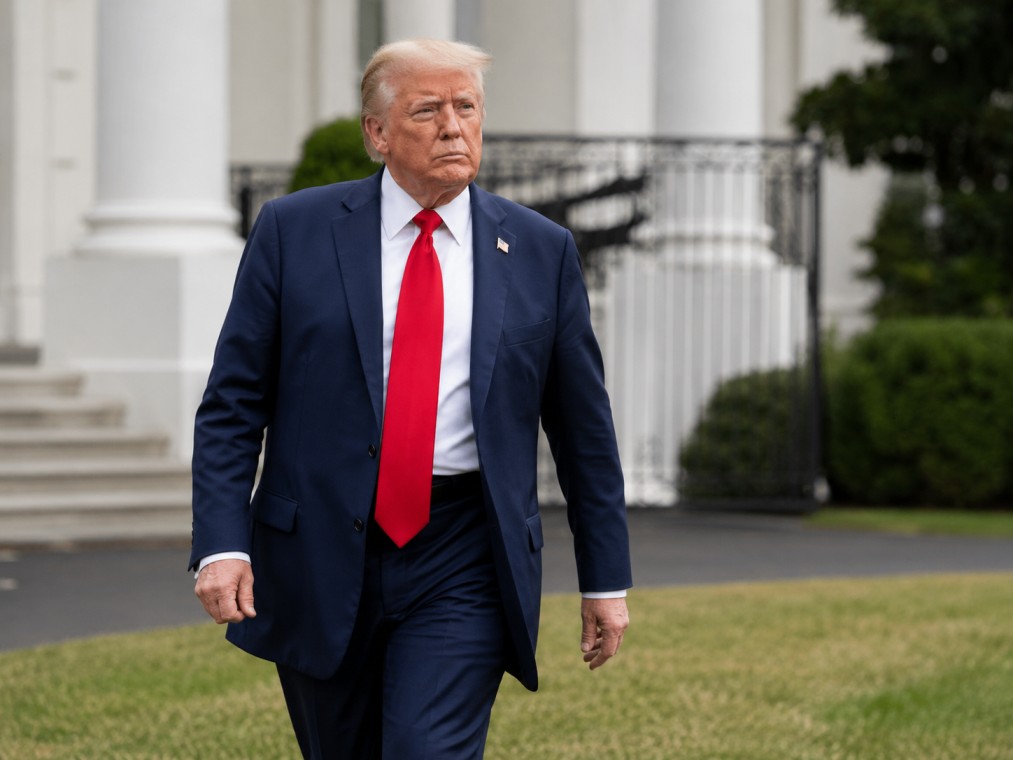
In a significant shift in U.S.-Iran relations, President Donald Trump has announced the termination of a ceasefire agreement with Iran, marking a substantial increase in hostilities between the two nations. During remarks made at the NATO Summit, Trump declared that negotiations with Tehran were no longer considered valuable, and he suggested that the U.S. was ready to engage in further military actions.
This declaration followed a new series of U.S. military strikes targeting Iranian assets. The U.S. military confirmed that the offensive focused on disabling air defense systems, command-and-control networks, coastal radar installations, anti-ship missile sites, and numerous boats belonging to the Islamic Revolutionary Guard Corps (IRGC) near the strategically crucial Strait of Hormuz. According to American officials, these operations were a direct response to recent attacks on three commercial vessels passing through this vital maritime corridor.
In retaliation, Iran launched counterattacks on U.S. military installations located in Bahrain, Kuwait, and other areas within the Gulf region. These actions have heightened the risk of a wider regional conflict, drawing considerable concern over the stability and security of the Strait of Hormuz, which is a critical route for the global energy supply chain.
The resurgence of military engagements has severely compromised the efforts to maintain the ceasefire framework previously in place. The developments have sparked widespread apprehension about the safety of commercial navigation through the Strait, a passageway essential for the transportation of energy resources worldwide.