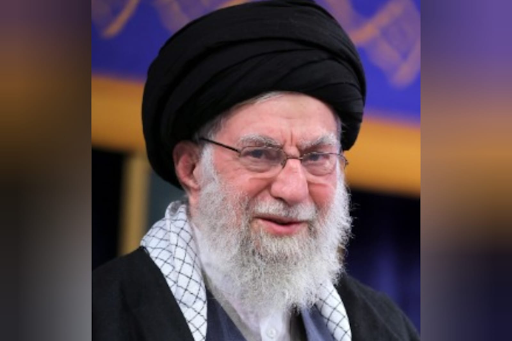
The death of the Supreme Leader marks the end of an era where religious scholars held the final word on all state matters. In the wake of the joint US-Israeli strikes, the Islamic Revolutionary Guard Corps (IRGC) has effectively taken control of the nation’s security and foreign policy. While the constitutional council technically holds the reins, it is the generals who are patrolling the streets.
This transition toward a military-dominated state has been brewing for years, but the current crisis has accelerated it. The IRGC’s “Stay Behind” strategy ensures that even if the top leadership is neutralized, the command structure remains intact. Their primary goal now is to ensure that no domestic dissent gains enough momentum to threaten the regime’s survival.
The heavy presence of paramilitaries in Tehran and other major cities is a visual reminder of the IRGC’s grip. By flooding the streets with armed police, the military is preemptively crushing any hopes of a “color revolution” sparked by the leader’s death. This iron-fisted approach is designed to show the world that the state’s internal security is unshakeable.
Politically, the IRGC is expected to play the role of “kingmaker” in the Assembly of Experts. They will likely support a candidate who guarantees their continued economic and political dominance. This shift could mean a more pragmatic but equally hardline foreign policy focused on military deterrence rather than just ideological fervor.
As the dust settles, the biggest question is whether the IRGC will eventually dispense with the clerical facade altogether. If the new Supreme Leader is seen as a mere puppet of the Guard, the very foundation of the Islamic Republic will have fundamentally changed. We are witnessing the birth of a new, more militarized Iranian state.
Uniforms Over Turbans: The Rise of the IRGC in Post-Khamenei Iran