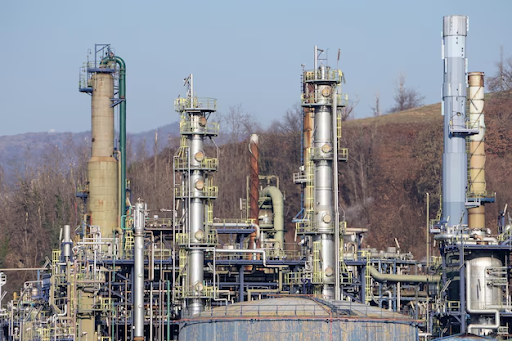
Qatar, one of the single most important suppliers of liquefied natural gas on the planet, has suspended production at its flagship export facilities following drone attacks linked to widening conflict in the Middle East. The shutdown at the Ras Laffan and Mesaieed sites, operated by state-owned QatarEnergy, could result in the loss of nearly 20% of global LNG supply at an especially vulnerable moment for energy markets.
The timing could hardly be worse. Energy markets across Europe and Asia are still recovering from the severe disruptions caused by the 2022 energy crisis. With Qatari LNG now offline, buyers across Asia who depend heavily on Qatari shipments face the prospect of competing aggressively with European customers, pushing prices higher across all markets simultaneously.
European gas prices reflected the severity of the disruption almost immediately. The Dutch day-ahead contract, the benchmark for European gas trading, soared 41% to €45 per megawatt hour. UK gas prices rose 40% to 110p a therm in a single trading session. Energy experts warned that household energy bills in the UK could rise significantly if the disruption continues for any meaningful length of time.
Oil markets were similarly shaken by the escalating conflict. Brent crude rose as much as 13% to $82 a barrel before easing somewhat. The closure of the Strait of Hormuz — through which roughly 20% of global oil trade flows — added to fears of a sustained energy shock. OPEC+ announced a modest production increase, but with shipping lanes blocked, additional output offers little immediate relief.
Stock markets worldwide fell sharply on the news. Aviation stocks were among the hardest hit, with major European airlines declining sharply as thousands of flights were cancelled across the region. Defence stocks moved in the opposite direction, with shares in weapons manufacturers rising as investors anticipated increased government spending. Gold prices climbed 2.5% to $5,408 per ounce as investors sought safe-haven assets.
Qatar LNG Shutdown Threatens to Wipe Out Fifth of World’s Gas Supply