
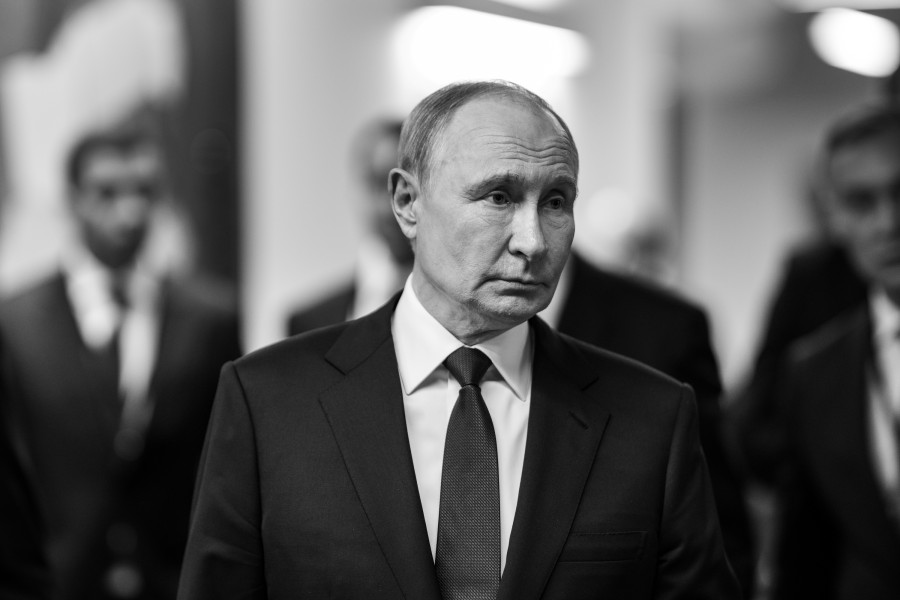
In a recent statement, Russia emphasized the critical role of nuclear weapons in preventing a major global conflict, amid increasing concerns over the future of international arms control. Kremlin spokesperson Dmitry Peskov highlighted that the global security framework is under pressure following the expiration of the New START treaty between Russia and the United States. This treaty, which concluded in February, had been instrumental in capping the number of deployed nuclear warheads each nation could possess.
Peskov cautioned that the absence of nuclear deterrence could heighten the risk of broader conflicts. He also noted the potential emergence of advanced non-nuclear technologies, which could eventually match the destructive capacity of nuclear arsenals. The dissolution of the New START agreement has sparked fears of a renewed arms race among major powers. Initially signed in 2010, the treaty limited both Russia and the United States to 1,550 deployed nuclear warheads, serving as the last significant pact restraining their nuclear stockpiles.
As discussions around arms control continue, former US President Donald Trump advocated for a new agreement that would encompass China, a nation whose nuclear capabilities have been on the rise. However, Beijing has consistently dismissed these invitations to join negotiations. Meanwhile, Moscow insists that any prospective deal should also involve US allies, such as the UK and France, in order to address the broader spectrum of global nuclear capabilities.
The current geopolitical landscape underscores the importance of nuclear deterrence as a stabilizing force amid the weakening global security system. With the end of the New START treaty, the international community faces the challenge of crafting a comprehensive arms control strategy that can effectively manage the evolving dynamics of nuclear and non-nuclear military technologies. The call for inclusive negotiations involving additional nations reflects a growing recognition of the need for a more extensive and multilateral approach to arms control.