
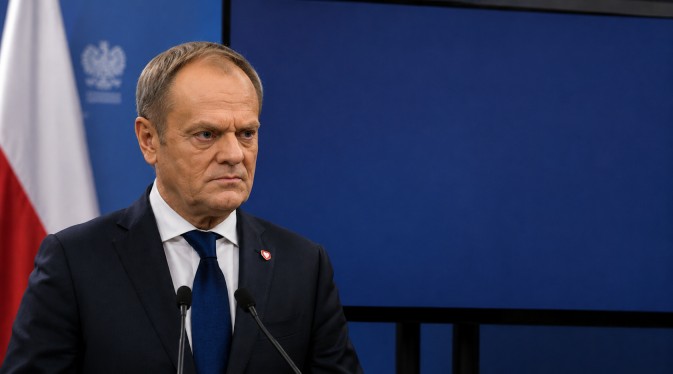
Public sentiment toward the Polish government has reached a new low since Prime Minister Donald Tusk assumed office, according to a recent survey. The poll revealed that half of the participants believe Poland is headed in the wrong direction, marking a significant dip in confidence. Specifically, 50% of respondents expressed concerns about the country’s trajectory, while only 28% felt that Poland is on the right track. The remaining 22% were undecided. Compared to June, there was a three-percentage-point drop in positive sentiments and a two-point rise in negative perceptions.
The survey highlighted the government’s weakest political ratings during its current term. A notable 51% of those surveyed described the political situation in Poland as negative, the highest level of dissatisfaction since the government took office, while a mere 11% viewed it positively. This reflects growing discontent with the political landscape, hinting at increasing challenges for the administration.
Economic prospects also appear to be dimming. Although 34% of respondents still hold a positive view of the economy, surpassing the 30% who see it negatively, optimism has waned since the previous month. Many respondents remain skeptical about economic improvements in the coming year, with heightened concerns about both political and economic conditions.
Despite the broader decline in public confidence, some aspects of personal well-being remain relatively stable. About 63% of those surveyed reported being content with their family’s standard of living, while 64% rated their household’s financial situation as good. However, these figures have also seen a decline since June, indicating a broader trend of dwindling optimism.
The survey, conducted in July, underscores a significant shift in public opinion, with nearly all major indicators reflecting a downturn. Views on politics, in particular, have soured, along with expectations for future living standards. This presents a challenging environment for the government, as it navigates growing public dissatisfaction and economic uncertainty.