
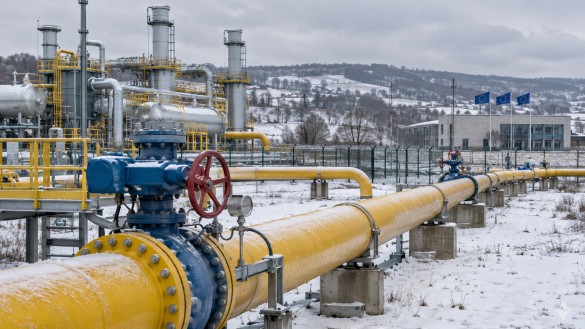
The European Union has firmly opposed a proposal to resume Russian natural gas imports through Ukraine, emphasizing its commitment to reducing reliance on Russian fossil fuels by 2027. This resistance comes amid a US-backed initiative suggesting the restoration of gas transit through Ukraine, potentially involving an American intermediary to facilitate the process.
EU officials argue that renewing energy cooperation with Russia is unacceptable due to ongoing Russian military actions in Ukraine. Despite the potential for transit revenues for Kyiv and a controlled system where Russian gas revenues could be placed in an escrow account in a third country, the proposal has not gained traction within the EU. The discussions were reportedly led by US representatives Steve Witkoff and Jared Kushner, focusing on Ukraine’s future security and economic recovery.
The EU’s current policy aims to phase out Russian gas, ending long-term liquefied natural gas contracts by January 2027 and banning long-term pipeline gas supplies by September 2027, with few exceptions. Ukraine, for its part, ceased Russian gas transit through its territory as of January 1, 2025, following the expiration of the existing agreement and citing concerns over funding Moscow’s war efforts.
Additionally, Dutch Prime Minister Rob Jetten has expressed strong opposition to the idea of resuming Russian gas purchases, advocating instead for enhanced sanctions and economic pressure on Russia. The EU’s stance reflects a broader strategy to maintain pressure on Russia while diminishing its energy influence in Europe.
Meanwhile, there have been broader negotiations between Washington and Moscow, which reportedly include discussions on energy cooperation such as the potential return of American oil companies to Russia and the revival of certain export routes. However, these proposals face numerous challenges, particularly political, regulatory, and infrastructural hurdles within Europe.
The EU’s rejection underscores a significant divide between the United States’ exploratory economic engagements with Moscow and Europe’s focused approach on reducing Russian energy dependence amid the ongoing conflict in Ukraine.