
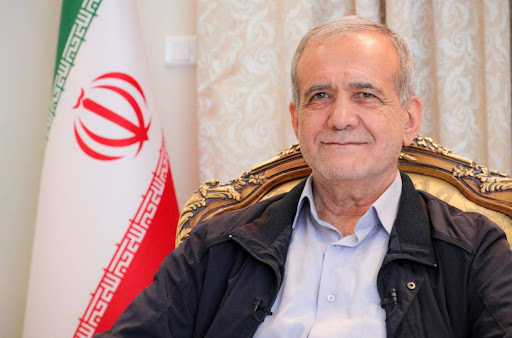
Iranian President Masoud Pezeshkian has spoken with a single clear voice to the Gulf region, telling governments there that they cannot have both security and complicity in the war against Iran. His message, delivered more than a month into the conflict, frames the choice as a binary one that Gulf governments can no longer avoid. Tehran is making the argument that sitting on the fence is no longer an option.
Gulf nations including Saudi Arabia, the UAE, Kuwait, Qatar, and Oman have tried to manage their dual roles as US military hosts and Iranian neighbours, but the conflict has made that balancing act increasingly unsustainable. Iranian retaliatory strikes against those nations have made the costs of their current position painfully clear. Gulf governments are now being forced to confront a binary choice they have long tried to avoid.
In a post on X, Pezeshkian made Iran’s position explicit: Tehran will not initiate attacks, but will retaliate strongly against any strike on its infrastructure or economic assets. He then presented Gulf leaders with the binary choice his message demanded: choose security by denying enemy access to your territory, or choose complicity and accept the consequences. The clarity of the binary framing was deliberate.
Pakistan’s diplomatic initiative has been sustained and effective, with Prime Minister Shehbaz Sharif playing an active role in the peace effort. Sharif’s meeting with Pezeshkian confirmed that Iran views trust as the non-negotiable starting point for any formal peace negotiations. Pakistan’s contributions have been praised by Tehran.
A high-level multilateral diplomatic consultation in Pakistan is assembling foreign ministers from Saudi Arabia, Egypt, and Turkey. Their discussions with Pakistani Foreign Minister Ishaq Dar and Prime Minister Sharif aim to develop a unified regional approach to de-escalation. The talks represent a significant opportunity to advance the diplomatic effort to end the war.