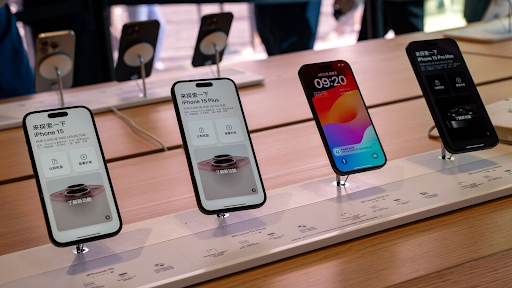
In a move driven by business pragmatism, Apple is planning a comprehensive restructuring of its iPhone release schedule. For years, the company has relied on a blockbuster fall quarter to drive a significant portion of its annual revenue. However, starting in 2026, the tech giant intends to stagger its releases, launching devices in two separate periods. The primary goal is to stabilize revenue streams, avoiding the sharp peaks and valleys associated with a single annual launch window.
This strategic pivot also addresses growing concerns regarding the supply chain and workforce. Concentrating every major product launch in September creates a massive bottleneck for engineering and manufacturing teams. By splitting the lineup, Apple can reduce the “crunch” pressure on its employees and suppliers. This smoother workflow is expected to result in better production yields and a more sustainable working environment for the thousands of people involved in bringing the iPhone to market.
The new schedule dictates a clear hierarchy of devices. The fall season will remain the home of the ultra-premium sector, featuring the iPhone 18 Pro models and a new foldable iPhone. These high-margin devices will capitalize on the holiday shopping season. In contrast, the standard iPhone 18, a new “e” model, and the iPhone Air will launch roughly six months later, providing a mid-year sales boost that keeps the company’s financials healthy during typically slower quarters.
Amidst these logistical changes, the product line itself is growing. Apple plans to increase its offering to seven models by 2027. This expansion allows the company to fine-tune its inventory management, producing specific volumes of niche models like the “iPhone Air” without disrupting the mass production of the standard models. It represents a maturation of Apple’s supply chain management, moving from a “one-size-fits-all” launch to a tailored distribution strategy.
For investors and analysts, this move signals a maturation of the iPhone business. Rather than relying on hype-driven spikes, Apple is engineering a business model that prioritizes consistency and operational efficiency. By smoothing out the release curve, the company ensures that the iPhone remains a constant revenue generator, keeping the company’s financial health robust throughout the fiscal year.
Revenue Stability and Relief: Why Apple is Changing its Release Calendar