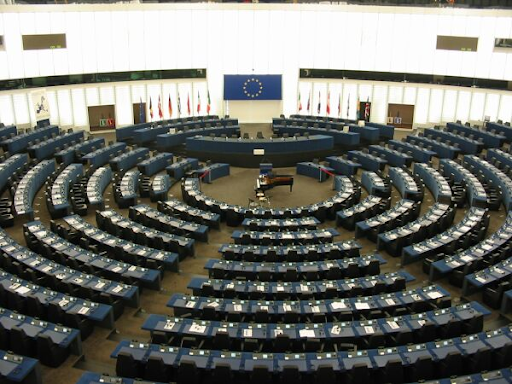
In an escalating transatlantic standoff, the European Parliament has officially frozen the ratification process for its trade agreement with the United States, directly challenging President Trump’s linkage of tariff policy to territorial ambitions in Greenland. The move signals Europe’s willingness to sacrifice economic benefits rather than submit to what it perceives as political blackmail.
Trade committee chairman Bernd Lange articulated the EU’s position with clarity, insisting that threats concerning Greenland must cease entirely before the bloc considers any compromise on trade negotiations. The suspended agreement promised American manufacturers and exporters favorable zero-tariff access to the lucrative European market across numerous industrial sectors.
European officials were careful to delineate between different aspects of transatlantic cooperation, noting that the $750 billion energy purchase agreement remains operational. This substantial commitment to buy American energy products exists under separate terms and will continue despite the trade deal suspension, according to Lange’s confirmation.
The diplomatic chill became physically manifest when European Commission President Ursula von der Leyen modified her schedule, bypassing a potential meeting with Trump in Davos to return immediately to Brussels. Her priority shifted to coordinating an emergency summit set for Thursday evening, where European leaders will evaluate their strategic options.
The summit agenda includes discussion of powerful countermeasures, such as implementing €93 billion worth of retaliatory tariffs on US exports and potentially triggering an anti-coercion instrument never before deployed. Originally designed to counter Chinese economic pressure on individual member states, this mechanism could enable Brussels to restrict American companies’ market access across the entire European Union, affecting major US corporations and their European operations.
Emergency Summit Called as Europe Suspends US Trade Deal Over Greenland Controversy