Major American defense contractors face unprecedented Chinese sanctions following the Trump administration’s approval of the largest-ever arms sale to Taiwan, valued at over $10 billion. Beijing’s foreign ministry announced comprehensive measures affecting 20 corporations and 10 individuals, signaling China’s determination to punish those involved in arming the democratically governed island.
The sanctions mechanism will freeze all Chinese assets belonging to the targeted companies and individuals while barring any Chinese entity from engaging in commercial activities with them. Boeing’s fighter jet manufacturing complex in St Louis stands among the most significant targets, a facility employing thousands and recently affected by substantial labor actions. The aerospace giant now confronts complete exclusion from China’s massive market across all sanctioned operations.
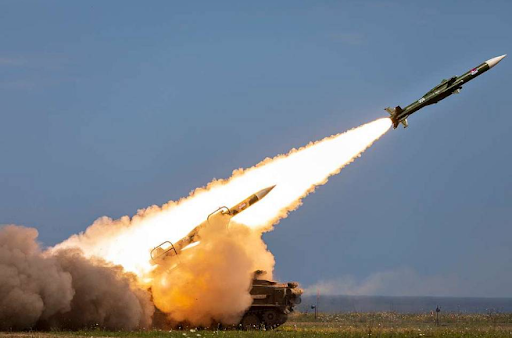
President Trump’s authorization encompasses eight distinct military agreements delivering sophisticated weaponry to enhance Taiwan’s defensive posture. The centerpiece includes 420 Army Tactical Missile Systems, advanced weaponry comparable to systems America deployed to Ukraine during its conflict with Russia. Additional drone technology and medium-range missile platforms complete the package, representing Washington’s strongest material commitment to Taiwan’s security in decades.
The sanctions net captures major players including Northrop Grumman Systems Corporation and L3Harris Maritime Services, while also imposing personal consequences on industry leaders. The Anduril Industries founder and nine senior executives from various sanctioned firms face entry bans into Chinese territory. China’s foreign ministry spokesperson declared Taiwan the absolute “core interest” and warned that crossing this “first red line” would provoke powerful countermeasures, demanding America stop its “dangerous” weapons transfers.
Washington defended its actions by referencing legal mandates requiring the provision of defensive capabilities to Taiwan. State Department statements emphasized that the sales advance American national interests while supporting regional stability and military equilibrium. The ongoing dispute over Taiwan’s status—with China demanding reunification and Taiwan maintaining its democratic independence—continues generating friction in US-China relations, compounded by separate economic tensions over trade policies and tariffs.
China’s Sanctions Hammer Falls on US Defense Industry Over Taiwan Deal